Jun 08, 2026
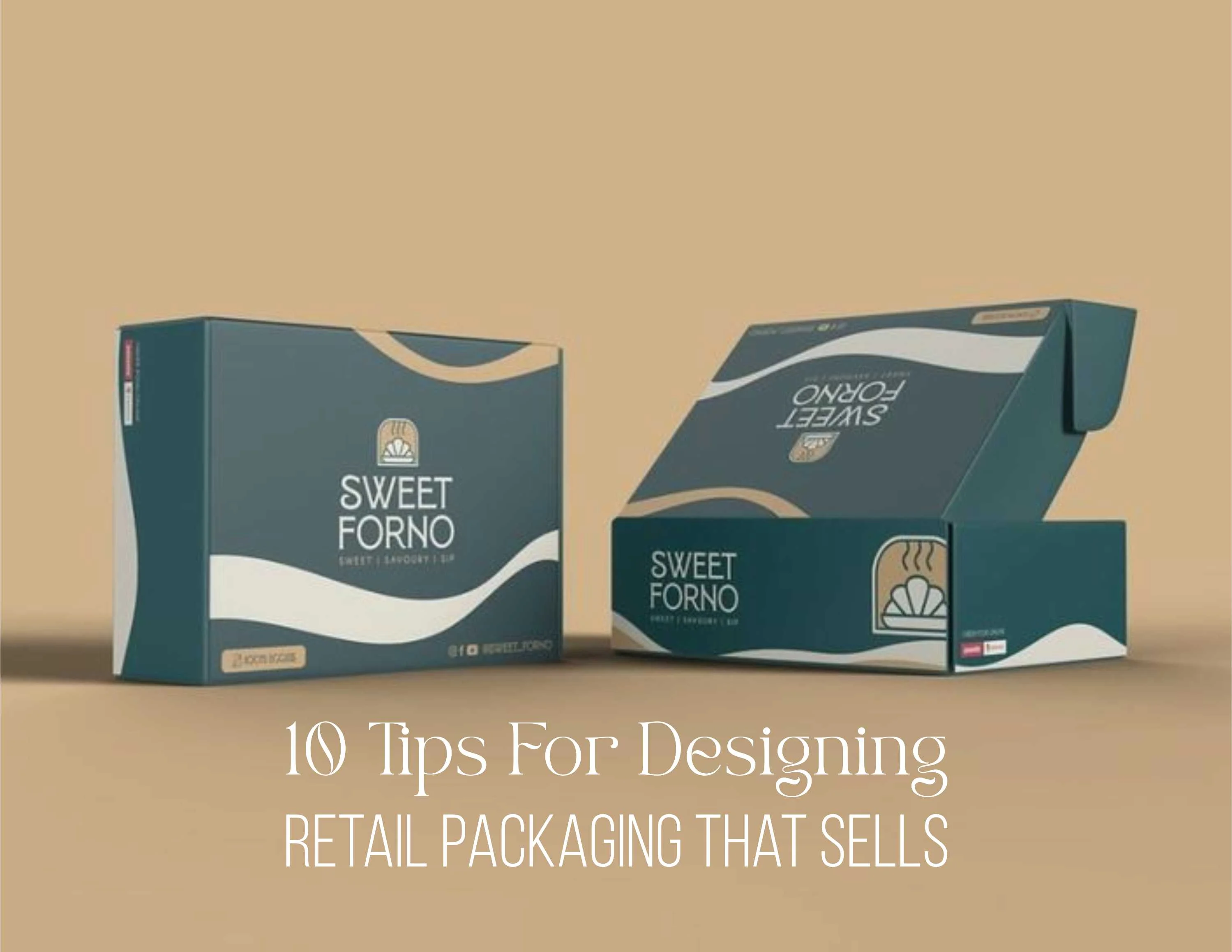
10 Tips For Designing Retail Packaging That Sells
Read more
In today’s competitive world of business, it is understandable to feel overwhelmed when there are so many packaging choices to pick from.

While there are plenty of available options, the best among them are two types; the RSC box and the Die Cut box. But which one is the best option for your brand?
Although both are affordable and sturdy choices, learning the difference between these boxes would be a good place to start if you want to make a well-informed decision. So let’s begin by learning about what is an RSC box.
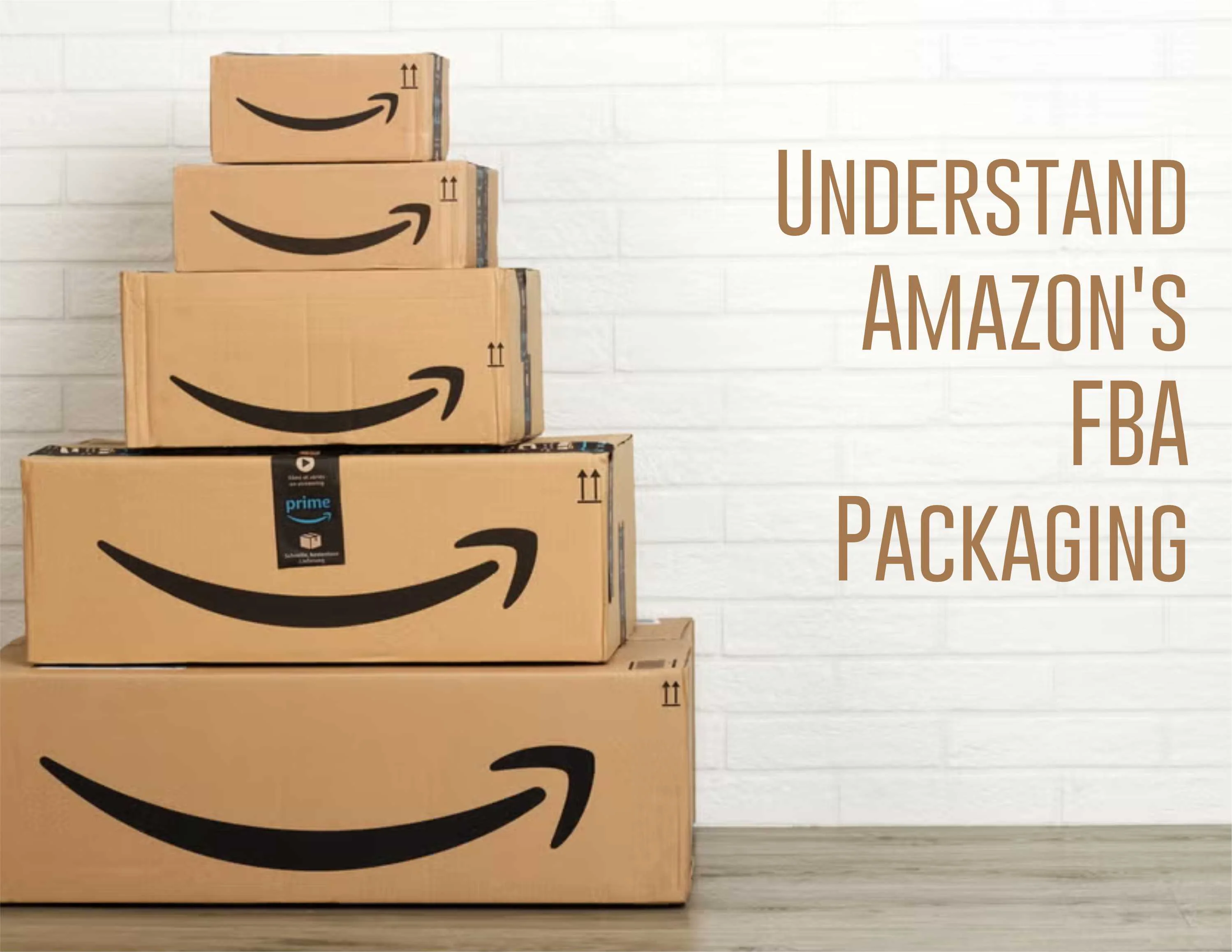
RSC stands for the regular slotted container boxes and they are the most common types of packaging containers that exist. These boxes usually come with flaps and have wavy patterns for improved strength that allows them to keep the products safely in place. This packaging option is known to be the best for stacking and storage. It is cost-effective and very versatile.
Brands that deal with high shipping volumes mostly use RSC packaging for the following reasons:
SInce they are easy to assemble, they also break down quickly as compared to other shipping boxes. These packages are usually made from recycled materials and brands use it as an opportunity to tell their customers that they care about the environment as more customers now prefer eco-friendly materials.
These boxes need to be taped up well to be fully secure especially during shipping and handling which is definitely a drawback. Another thing to note is that when you pack a product in an RSC style box, it will always have some gaps between the product and the sides of the box which most brands end up filling with recycled shredded papers or other forms of packing materials to ensure that the product stays securely in place.
Now that you are familiar with RSC boxes, let’s move on to Die Cut cardboard boxes and see what they are all about.
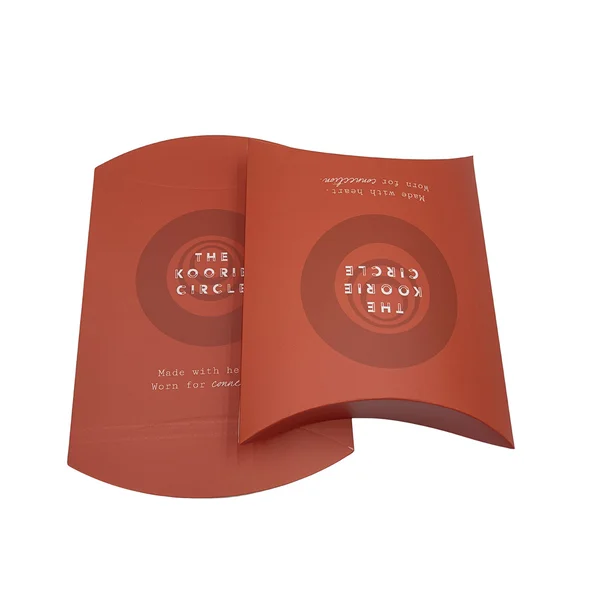
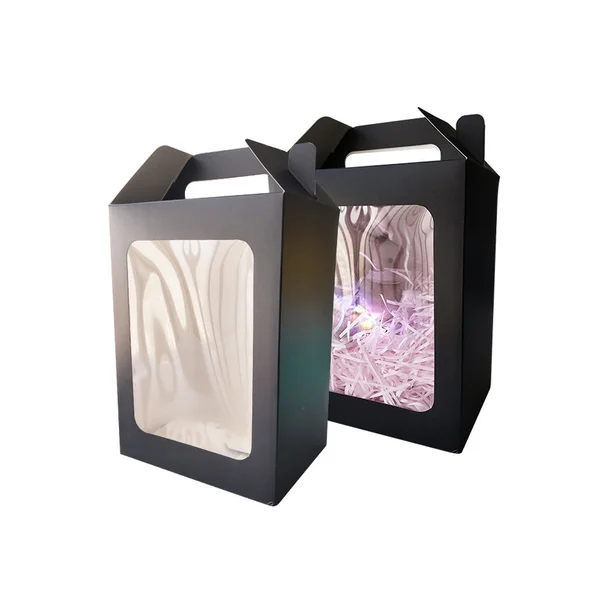
These boxes are tailored to suit the packaging needs of the products. As suggested by their name, they are packages made by using the die-cutting process which uses a cardboard die cutter to give the box a desired shape and size.
Unlike RSC boxes, the walls of a die cut box are locked into place that gives it its shape. What’s more is that its lid can also be folded into place. This method offers greater flexibility in design and shape making it a very popular choice for brands who like to create boxes with unique designs.
Following are some of the most notable advantages die cut boxes have over RSC ones.
Now that we have summed up the pros and cons of these boxes, let’s find out which would suit your business the most.
Typically, brands choose their packaging materials based on their product needs. If you are a business with an aim to improve customer’s unboxing experience and enhance brand recognition, then die cut boxes would be your best bet.
Brands have become increasingly aware that giving a personalized unboxing experience to customers has become the key to growing their business. That is why more and more businesses now use custom-designed die cut boxes to ship their products. Most brands now partner with packaging companies like Custom Boxes Only to help design unique and personalized shipping boxes and take their shipping game to the next level.
Custom Boxes Only is your go to solution for all sorts of shipping boxes. Our team of experts take care of everything from design and production to customization and shipments. We do it all!
Design and create boxes of any shape, size, and thickness
Print boxes using digital, off-set, or screen printing with any color of your choice using CMYK palette
Laminate using matte, glossy, UV treated coatings
Provide add-ons like embossing, debossing, foil stamping, etc.
Finishing touches with logos, typography, and so on.
Whether you need cardboard shipping boxes, rigid collapsible boxes, magnetic closure boxes, or any other ones - we make them to your desired shape and liking. So, get in touch with our team today and send in a quotation request for your RSC box or die cut box. We are here for you!
Get a custom quote in minutes — our team responds within 24 hours.